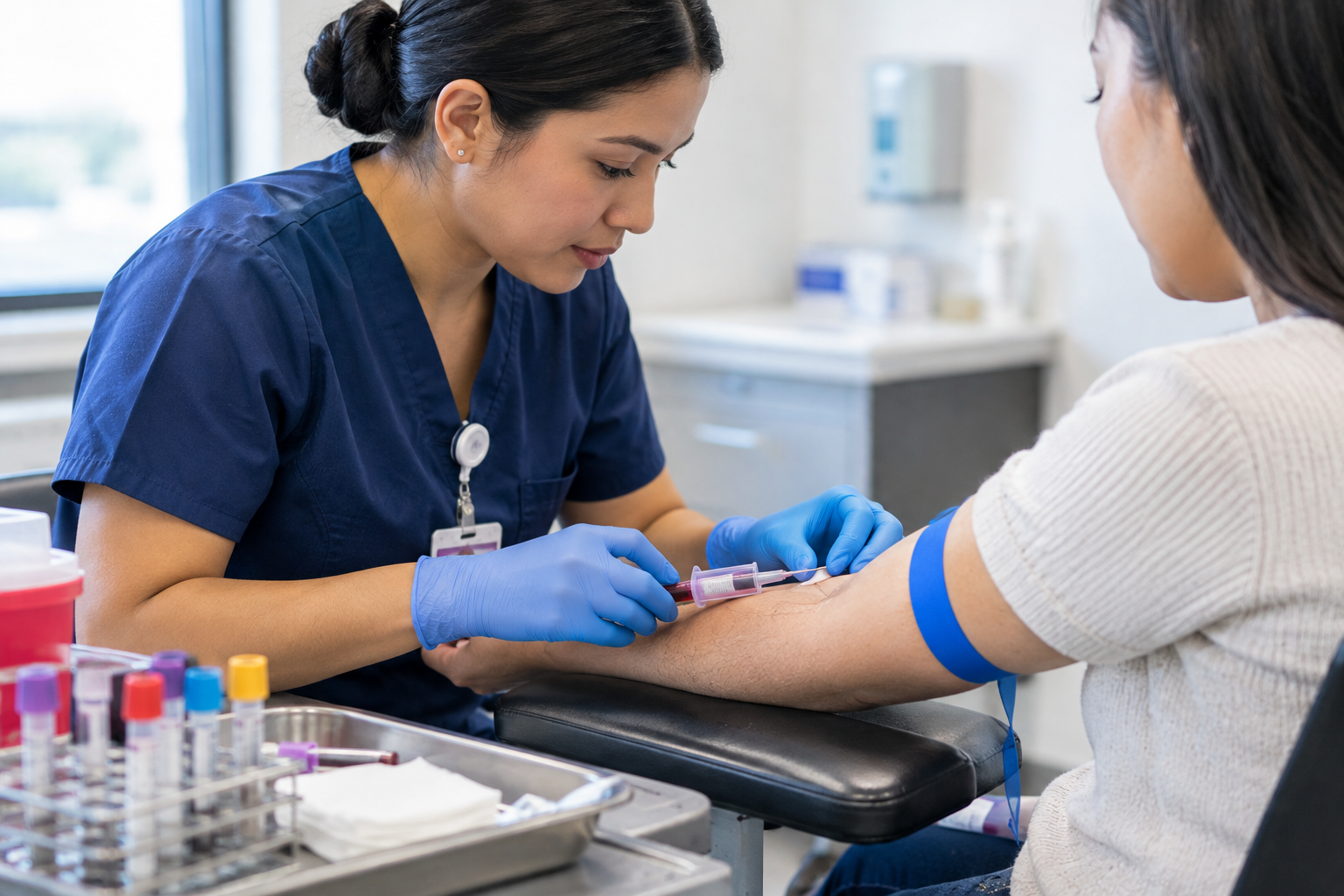
Successful venipuncture begins before the needle touches the skin. For healthcare professionals, improving first-stick success requires accurate vein assessment, reliable phlebotomy techniques, appropriate equipment selection, and clear patient communication.
A successful first attempt can reduce patient discomfort, minimize repeated needle sticks, and support efficient blood collection. However, consistent results depend on more than experience alone.
At Vein Access Technologies (VAT) in East Alton, Illinois, phlebotomy education focuses on developing the practical skills and clinical judgment healthcare professionals need to approach venipuncture safely and confidently.
What Phlebotomy Techniques Improve First-Stick Success?
Modern phlebotomy techniques that support first-stick success include thorough vein assessment, accurate palpation, appropriate site and equipment selection, proper vein stabilization, and careful patient preparation. Combined with infection prevention, supervised hands-on training, and sound clinical judgment, these practices help healthcare professionals perform venipuncture more consistently while prioritizing patient safety and comfort.
1. Start with a Thorough Vein Assessment
Choosing an appropriate vein is one of the most important steps in blood collection. A clearly visible vein is not necessarily the safest or most suitable option.
Before proceeding, clinicians should assess:
- Vein size, depth, and direction
- Elasticity and stability
- Surrounding tissue and anatomical landmarks
- Previous venipuncture difficulties
- Patient-specific conditions and site restrictions
The median cubital vein is commonly preferred for routine venipuncture because of its accessibility and relative stability. However, individual anatomy and clinical circumstances should guide every assessment.
The
World Health Organization's phlebotomy guidance emphasizes appropriate site selection, patient preparation, and infection prevention as essential components of safe blood collection.
A careful assessment helps clinicians select a suitable site before attempting needle insertion.
2. Improve Palpation and Vein Stabilization
Palpation allows clinicians to evaluate vein characteristics that visual inspection alone may not reveal.
A suitable vein often feels resilient beneath the skin. Careful palpation helps identify its direction, assess stability, and distinguish it from surrounding structures.
Once an appropriate site is selected, proper stabilization helps reduce vein movement during needle insertion.
These skills develop through deliberate practice rather than repetition alone. Supervised instruction allows learners to improve tactile recognition, receive immediate feedback, and recognize when another approach may be more appropriate.
For patients whose veins are difficult to visualize, strong palpation skills can be particularly valuable.
3. Prepare Patients for a More Comfortable Procedure
Patient preparation plays an important role in the overall blood collection experience.
Before beginning, verify the patient's identity using approved procedures, explain the process, and ask about previous difficulties, fainting episodes, or needle-related anxiety.
Position the patient securely with appropriate arm support. Patients with a history of fainting may require additional precautions under facility protocols.
Clear communication also allows clinicians to address concerns before proceeding.
A calm, organized approach can make the experience more manageable for patients while helping healthcare professionals maintain focus.
Patient comfort should always complement proper clinical assessment and safe technique.
4. Select Equipment and Follow Infection Prevention Practices
Effective venipuncture depends on selecting appropriate equipment and following established safety procedures.
Clinicians should consider the collection method, needle and tube compatibility, vein characteristics, and required specimen volume.
Important practices include:
- Preparing supplies before beginning
- Performing hand hygiene and wearing appropriate gloves
- Applying and releasing the tourniquet according to protocol
- Allowing skin antiseptic to dry completely
- Avoiding contamination of the prepared puncture site
- Disposing of used sharps immediately in approved containers
Equipment selection should reflect clinical requirements rather than convenience.
Consistent infection prevention and specimen-handling practices help protect patients, healthcare professionals, and sample integrity.
5. Develop Clinical Judgment for Difficult Vein Access
Not every patient has easily accessible veins. Anatomical differences, previous procedures, medical conditions, and treatment history can complicate venipuncture.
Effective clinical judgment involves recognizing when additional assessment is necessary instead of repeatedly attempting an unsuitable site.
Clinicians should consider whether another site is appropriate, whether an alternative collection method is permitted, or whether assistance from another qualified professional is needed.
Facility protocols should guide attempt limits, escalation procedures, and the use of specialized vein visualization equipment.
Although first-stick success is an important goal, patient safety must always take priority over completing a procedure on the first attempt.
How Does Hands-On Training Improve Phlebotomy Skills?
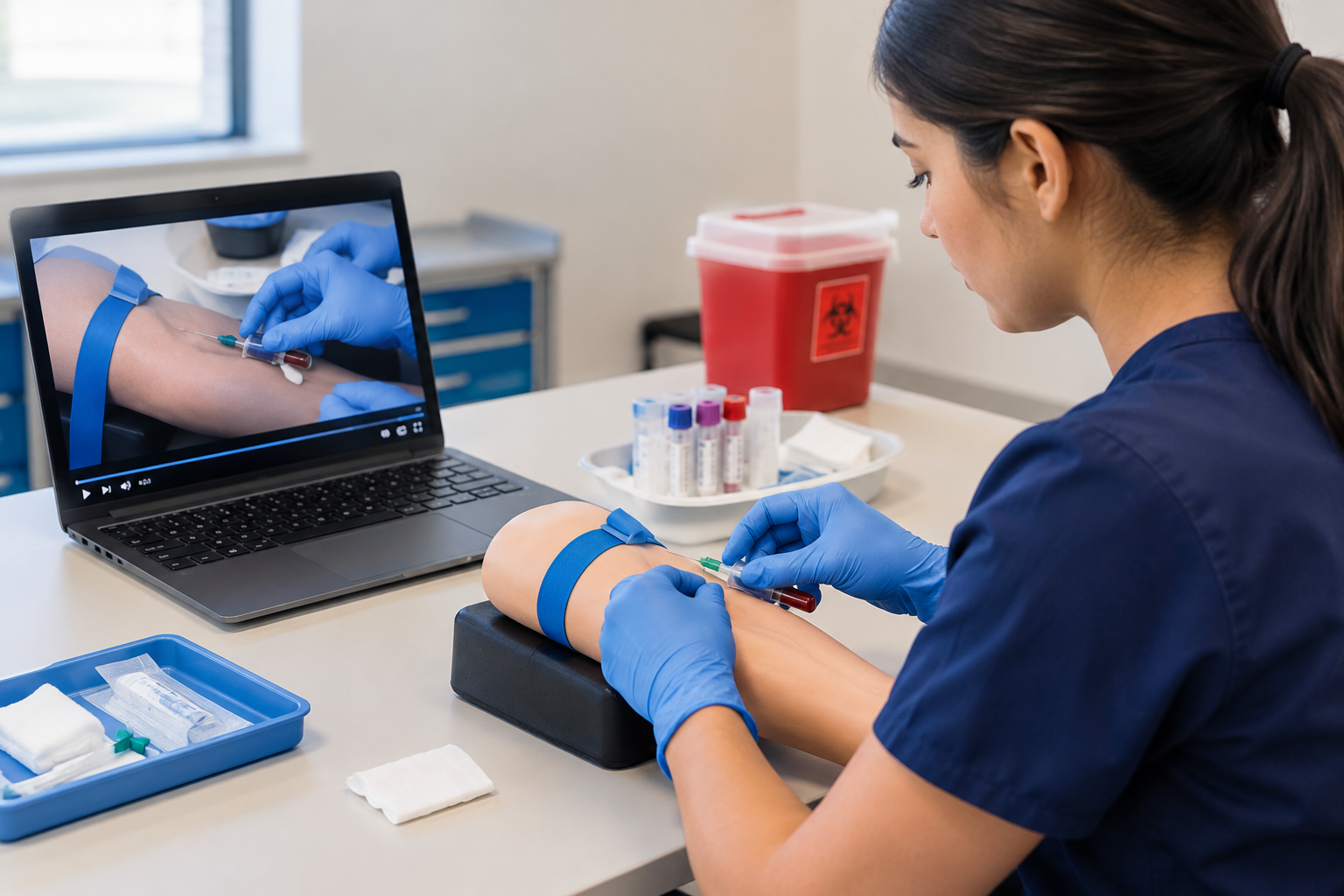
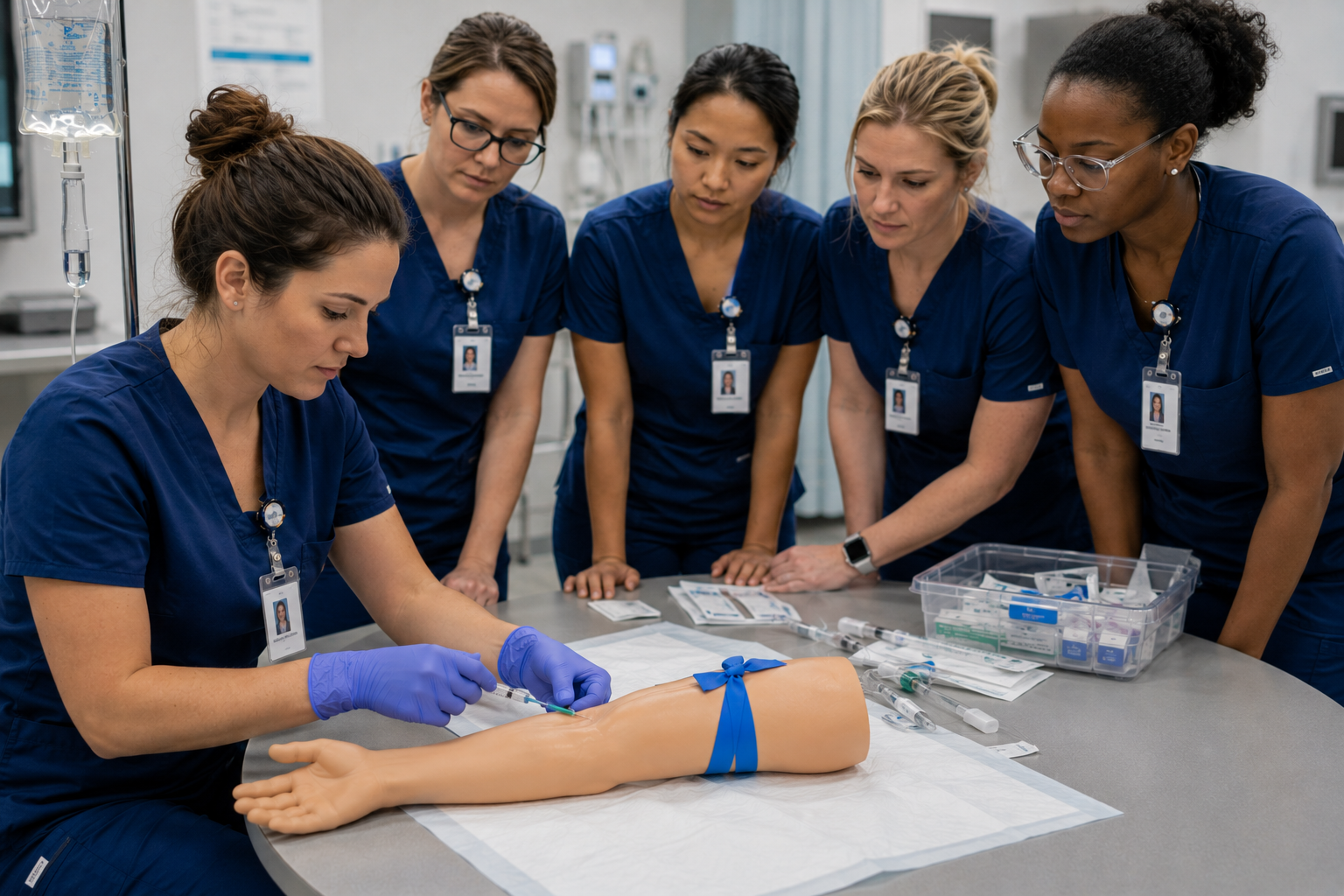
Instructional materials provide essential knowledge, but supervised practice helps healthcare professionals apply that knowledge in realistic situations.
Hands-on phlebotomy training can help learners:
- Identify vein characteristics through palpation
- Practice positioning and stabilization
- Improve equipment-handling skills
- Receive constructive instructor feedback
- Strengthen patient communication
- Recognize when reassessment or assistance is necessary
Effective training emphasizes consistent decision-making rather than simply performing more needle insertions.
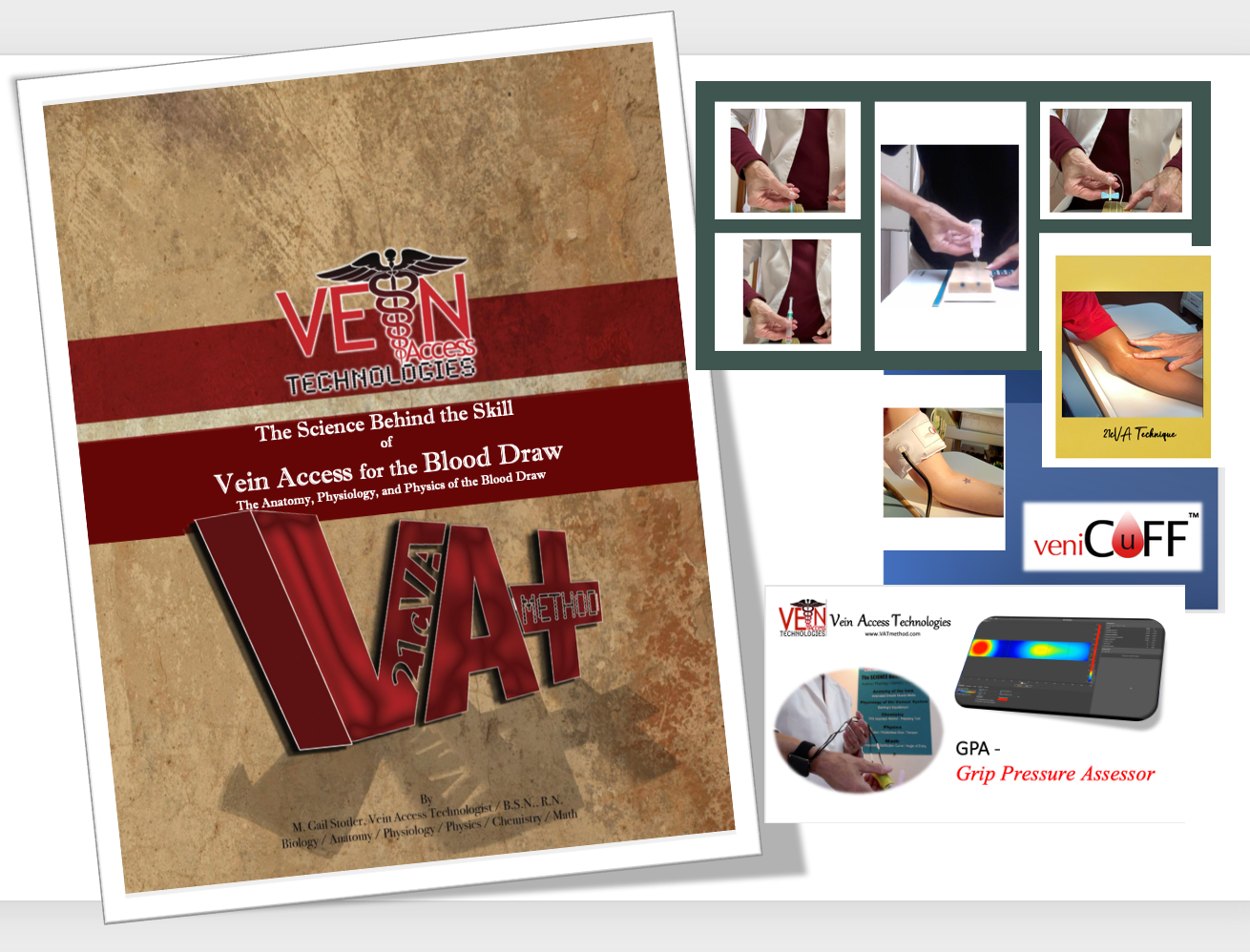
Vein Access Technologies supports practical learning through educational resources and specialized tools, including veniCuff®, Vein Block®, and the Grip Pressure Assessor (GPA).
These resources help reinforce important vein assessment concepts and support continued skill development.
Healthcare professionals seeking practical instruction can explore VAT's Phlebotomy and IV Training programs.
What Should Clinicians Consider Before Venipuncture?
Several patient-specific factors may influence the approach to blood collection.
Patients with previous difficult draws may benefit from additional assessment. Medical conditions, treatment-related restrictions, and facility requirements can also affect site selection.
Clinicians must follow applicable laboratory procedures, institutional policies, and professional scope-of-practice requirements.
Correct patient identification, specimen labeling, collection order, and post-procedure care remain essential regardless of whether the first attempt succeeds.
A successful needle insertion does not compensate for an incorrectly identified or compromised specimen.
Frequently Asked Questions
What is the best way to improve first-stick success?
Focus on careful vein selection, consistent palpation, appropriate equipment use, and supervised practice. Reviewing unsuccessful attempts with a qualified instructor can help identify specific techniques that need improvement.
Can modern phlebotomy techniques help with difficult veins?
Yes. Improved assessment, positioning, and palpation can help clinicians identify suitable veins. However, challenging cases may require specialized equipment or assistance from another qualified healthcare professional.
Where can healthcare professionals learn phlebotomy techniques near St. Louis?
Vein Access Technologies in East Alton, Illinois, provides phlebotomy education and training resources for healthcare professionals throughout the Greater St. Louis and Metro East region. Contact VAT to ask about current training opportunities.
Strengthen Your Phlebotomy Skills with Vein Access Technologies
Improving first-stick success requires thoughtful preparation, reliable technique, and continued professional development.
Strong assessment skills, effective patient communication, and sound clinical judgment help healthcare professionals approach venipuncture more confidently while maintaining patient safety.
Vein Access Technologies offers hands-on educational opportunities and specialized learning resources to support clinical skill development.
Ready to improve your technique? Visit
Vein Access Technologies or call
(618) 259-7781 to ask about available phlebotomy training programs.