Venipuncture is a fundamental clinical skill, but even experienced healthcare professionals occasionally encounter challenges. Many unsuccessful blood draws aren't caused by difficult patients—they can result from preventable mistakes during vein assessment, patient preparation, or technique. Recognizing these common errors can help improve technique, patient comfort, and clinical confidence.
At Vein Access Technologies (VAT) in East Alton, Illinois, we've spent decades teaching healthcare professionals that successful venipuncture begins with preparation, not just needle insertion. Understanding why mistakes happen helps clinicians develop safer, more consistent habits.
1. Rushing the Vein Assessment
One of the most common mistakes is attempting venipuncture before thoroughly assessing the patient's veins.
A careful assessment includes evaluating:
- Vein size
- Direction
- Depth
- Elasticity
- Stability
- Patient history
Taking time to evaluate the vein before the stick can help clinicians make a more informed vein selection.
2. Choosing the First Visible Vein
A highly visible vein isn't always the best option.
The vein should be assessed using both
visual inspection and palpation. Some suitable veins may be identified by touch rather than appearance alone.
At Vein Access Technologies, students learn that vein selection should be based on assessment—not visibility alone.
3. Ignoring Patient Positioning
Patient positioning can affect vein accessibility.
Proper positioning helps support venous filling, allows the patient to remain comfortable, and creates better working conditions for the clinician.
Simple adjustments can make vein assessment easier.
4. Poor Tourniquet Application
A tourniquet should make veins easier to assess—not create unnecessary complications.
Applying it too tightly, placing it incorrectly, or leaving it on longer than necessary can interfere with patient comfort and specimen quality.
Learning proper tourniquet technique is an essential part of professional phlebotomy education.
5. Weak Palpation Skills
Many beginners depend almost entirely on their eyesight.
Experienced phlebotomists understand the importance of palpation. Learning to identify vein characteristics and direction through touch helps clinicians assess veins that may not be immediately visible.
Developing strong palpation skills is an important part of improving venipuncture technique.
6. Poor Vein Stabilization
Even a suitable vein can become difficult to access if it isn't properly stabilized.
Mobile or "rolling" veins require careful support before venipuncture.
Professional training teaches techniques that improve stability while helping maintain patient comfort throughout the procedure.
7. Relying on Memorization Instead of Clinical Judgment
Following a procedure is important, but every patient is different.
Healthcare professionals must learn to evaluate each situation individually rather than applying the exact same approach every time.
Developing clinical judgment is one of the biggest differences between simply completing training and becoming more confident in performing venipuncture.
8. Overlooking Patient Communication
Patients often feel anxious before blood collection.
Clear communication can help reduce stress, encourage cooperation, and improve the overall experience.
Simple actions such as explaining the procedure and answering questions demonstrate professionalism while helping patients feel more comfortable.
Good communication is a clinical skill—not just good customer service.
9. Skipping Continuing Education
Healthcare practices and professional standards continue to evolve.
Continuing education gives clinicians opportunities to review established procedures, strengthen technical skills, and learn about developments relevant to their work.
It can also help healthcare professionals identify habits that may need additional attention.
10. Not Practicing Enough
Clinical confidence develops through continued practice, constructive feedback, and ongoing learning.
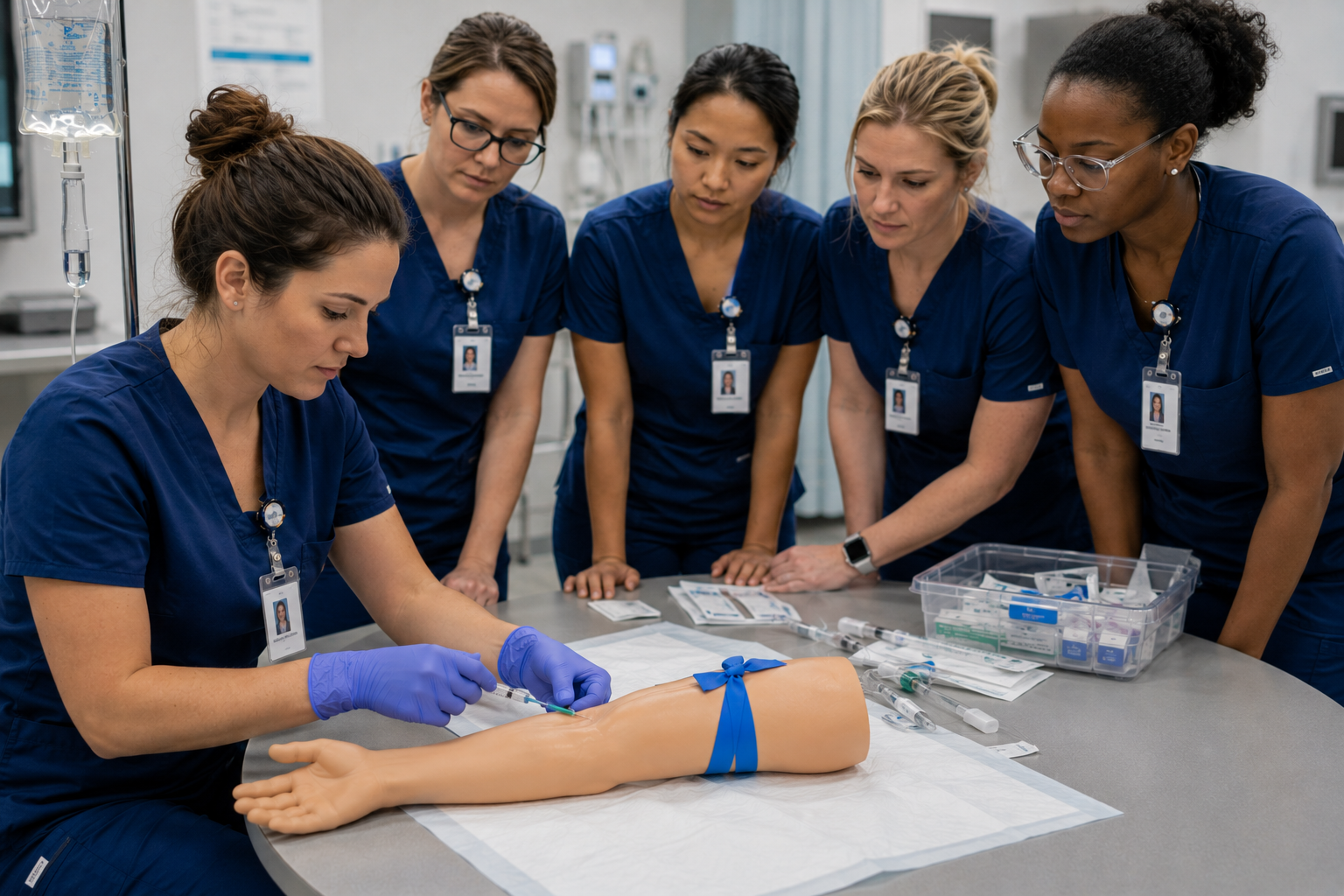
Students can benefit from deliberately practicing under appropriate supervision and continuing to refine their skills after completing formal education.
At Vein Access Technologies, hands-on instruction, educational resources, and continuing education programs help healthcare professionals continue developing their Vein Access and venipuncture skills.
Why Professional Training Reduces Common Venipuncture Mistakes
Many of these mistakes have one thing in common—they can be addressed through quality education and deliberate practice.
A comprehensive training program can help healthcare professionals:
- Perform better vein assessments
- Improve palpation skills
- Develop more consistent technique
- Strengthen patient communication
- Build clinical confidence
- Understand the reasoning behind venipuncture techniques
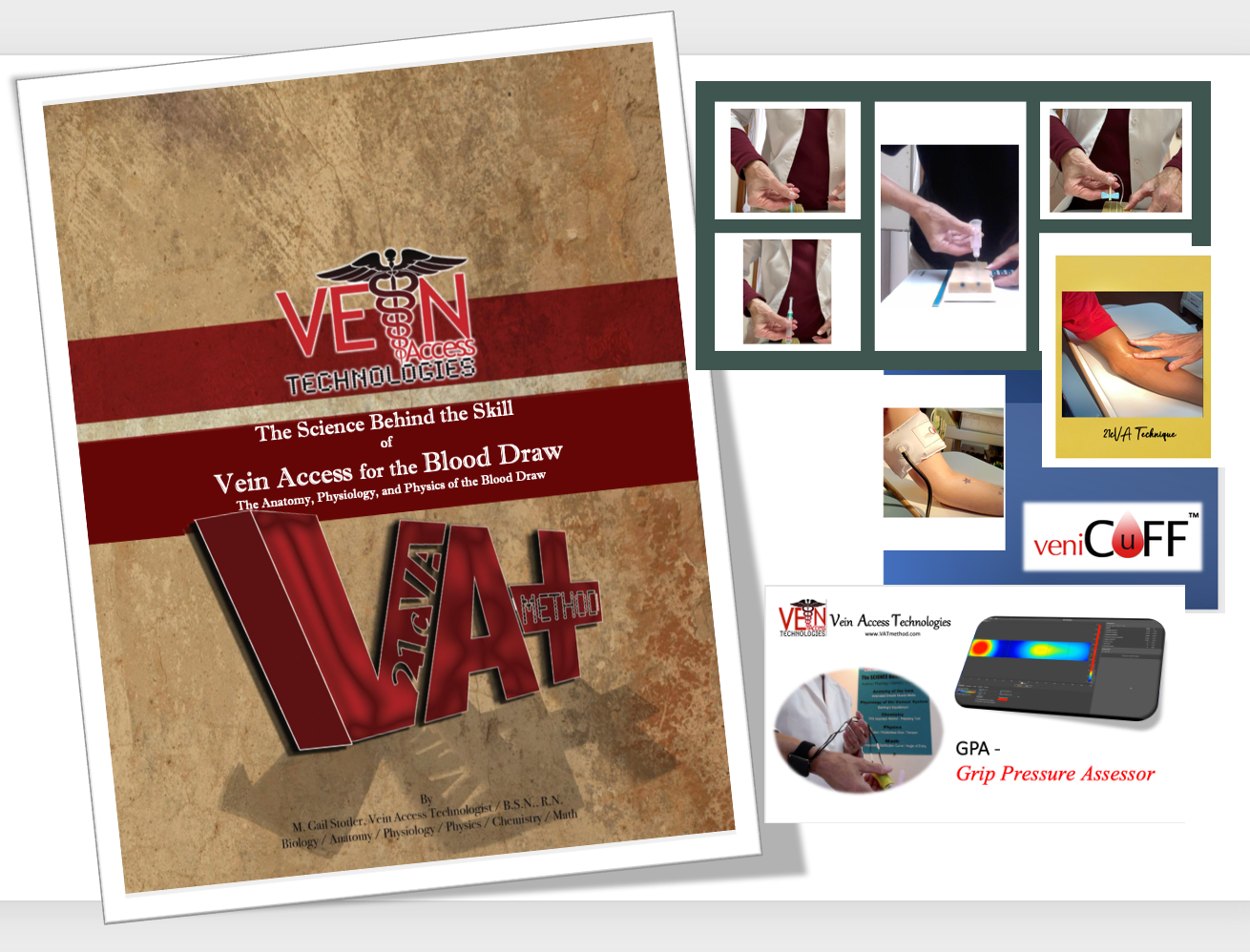
Students at Vein Access Technologies also benefit from educational books, instructional videos, and innovative learning tools such as veniCuff®, Vein Block®, and the Grip Pressure Assessor (GPA), which reinforce classroom learning and practical skill development.
Frequently Asked Questions
What is the most common venipuncture mistake?
Rushing the vein assessment is one common mistake because it can lead to selecting a vein before its characteristics have been properly evaluated.
Why do experienced clinicians still miss veins?
Patient anatomy, medical history, hydration, previous treatments, and other clinical factors can create challenging situations. Even experienced professionals can benefit from continued education and practice.
How can I improve my venipuncture skills?
Develop stronger vein assessment techniques, improve palpation skills, seek instructor feedback, and continue practicing in appropriately supervised environments.
Why is continuing education important?
Continuing education helps healthcare professionals review best practices, strengthen existing skills, and continue developing their understanding of venipuncture.
Where can I improve my venipuncture skills near St. Louis?
Vein Access Technologies in
East Alton, Illinois, offers phlebotomy training, IV training, continuing education, and specialized
Vein Access instruction for healthcare professionals throughout the Greater St. Louis region.
Improve Your Venipuncture Skills with Vein Access Technologies
Every healthcare professional can continue improving venipuncture technique through education, practice, and experienced guidance. Recognizing common mistakes is an important step toward building confidence, developing more consistent technique, and improving the patient experience.
At Vein Access Technologies, we help healthcare professionals develop practical skills through hands-on instruction, continuing education, and innovative learning resources. Whether you're beginning your healthcare career or refining existing skills, our programs are designed to support continued development.
Learn more about our
Phlebotomy and IV Training programs, continuing education, and Vein Access education by visiting
Vein Access Technologies.
Phone: (618) 259-7781
Email: mgailstotler@VATmethod.com