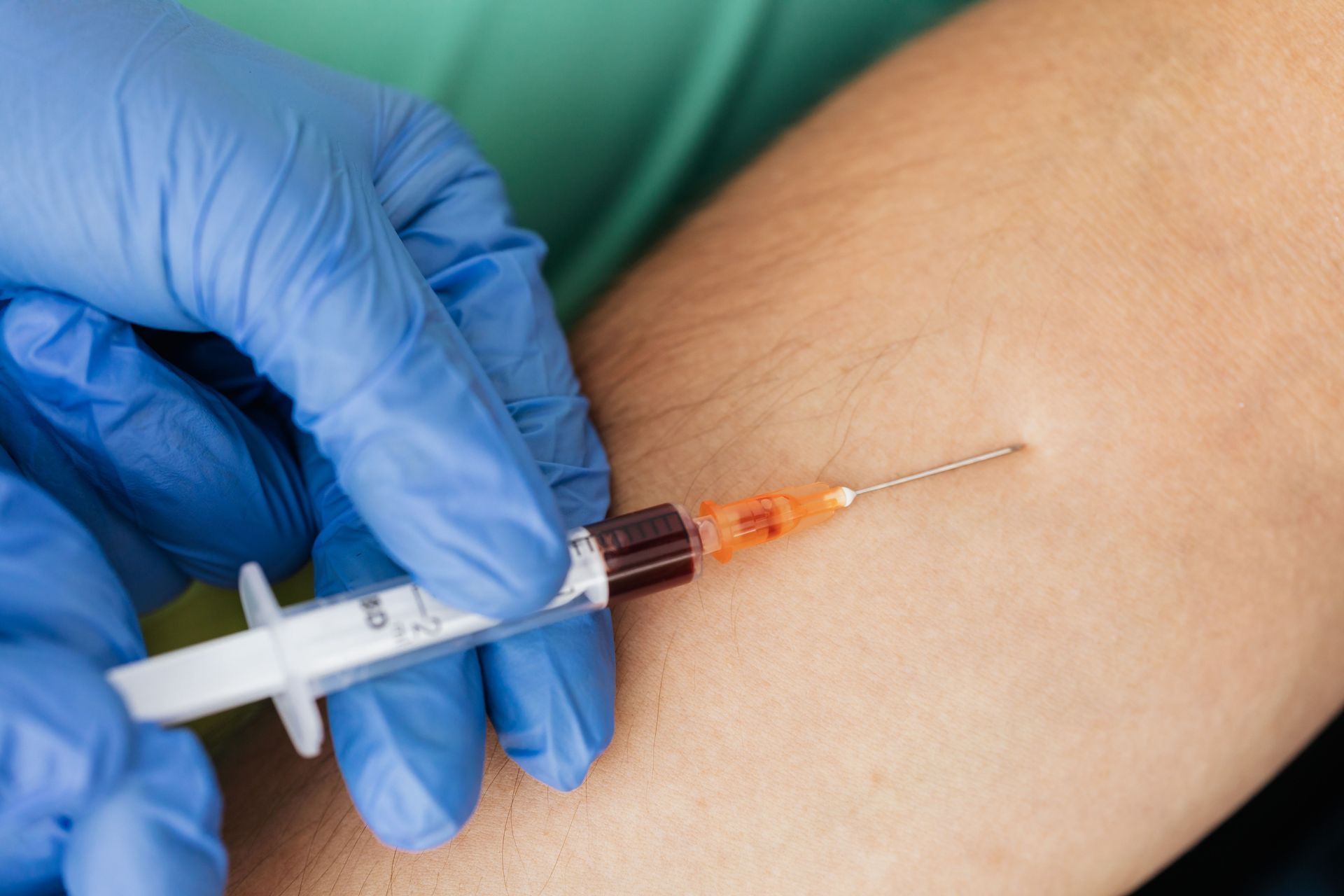
An IV training course is one of the most valuable investments healthcare professionals can make to expand their clinical skills and improve patient care. Whether you're a nurse, medical assistant, paramedic, or another licensed healthcare provider, quality IV education helps you develop the confidence and technical ability needed for safe peripheral IV access. The best training programs combine classroom instruction with supervised, hands-on practice to prepare learners for real clinical situations.
At Vein Access Technologies (VAT) in East Alton, Illinois, we've spent decades helping healthcare professionals throughout the Greater St. Louis and Metro East region strengthen their Vein Access skills through practical, evidence-based education.
Why IV Training Is an Essential Clinical Skill
Intravenous therapy is one of the most frequently performed procedures in healthcare. From administering medications and fluids to collecting blood samples and delivering emergency treatment, IV access plays a vital role in patient care.
Because of its importance, healthcare professionals must develop more than technical ability. They also need to understand:
- Vein assessment
- Peripheral venous anatomy
- Patient safety
- Infection prevention
- Equipment selection
- Clinical decision-making
- Patient communication
A comprehensive IV training course helps learners build these competencies while improving confidence in clinical practice.
What Should You Expect from an IV Training Course?
Not every IV training program offers the same learning experience.
A quality course should combine theory with practical instruction, allowing students to understand both the science and application of intravenous therapy.
Key topics often include:
Vein Assessment
Successful IV starts begin with selecting an appropriate vein.
Students should learn how to evaluate vein size, depth, elasticity, and stability before attempting IV access.
Developing strong palpation skills is equally important because the most suitable vein is not always the most visible.
IV Equipment and Techniques
A comprehensive program introduces students to commonly used IV equipment while explaining proper preparation, insertion principles, catheter stabilization, and patient monitoring.
Rather than simply memorizing procedures, learners should understand the reasoning behind each step.
Infection Prevention
Maintaining aseptic technique protects both patients and healthcare professionals.
High-quality IV training reinforces infection prevention principles and current best practices that support safe patient care.
Why Hands-On Instruction Makes the Difference
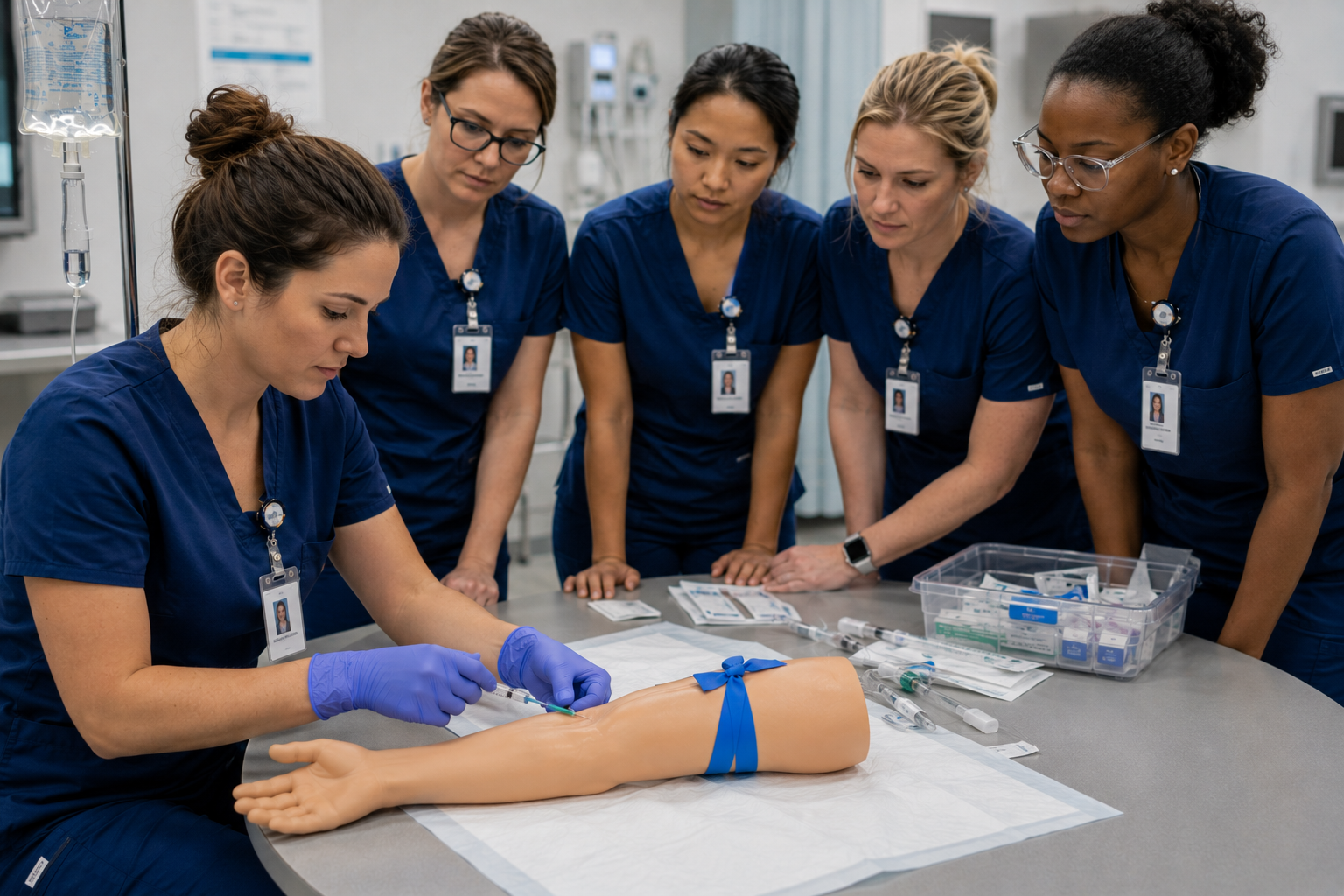
Watching videos and reading instructional materials can introduce important concepts, but confidence develops through guided experience.
One observation experienced educators frequently make is that learners improve much faster when they receive immediate instructor feedback during practical exercises.
Hands-on IV training allows students to:
- Improve vein assessment skills
- Build confidence with IV equipment
- Develop proper hand positioning
- Practice patient communication
- Strengthen clinical decision-making
- Refine first-attempt success
This supervised learning environment helps students build skills they can apply with confidence in clinical settings.
How to Choose the Right IV Training Provider
When comparing training programs, consider several important factors.
Experienced Instructors
Learning from educators with extensive teaching and clinical experience provides valuable insight beyond textbooks.
Experienced instructors understand common challenges and help students develop safe, consistent habits.
Practical Learning Environment
Choose a provider that emphasizes hands-on education instead of relying solely on classroom instruction.
Clinical competence develops through practice.
Continuing Education Opportunities
Healthcare professionals benefit from ongoing education throughout their careers.
Training providers that offer continuing education demonstrate a long-term commitment to professional development.
Educational Resources
Quality programs often provide learning materials that reinforce classroom instruction.
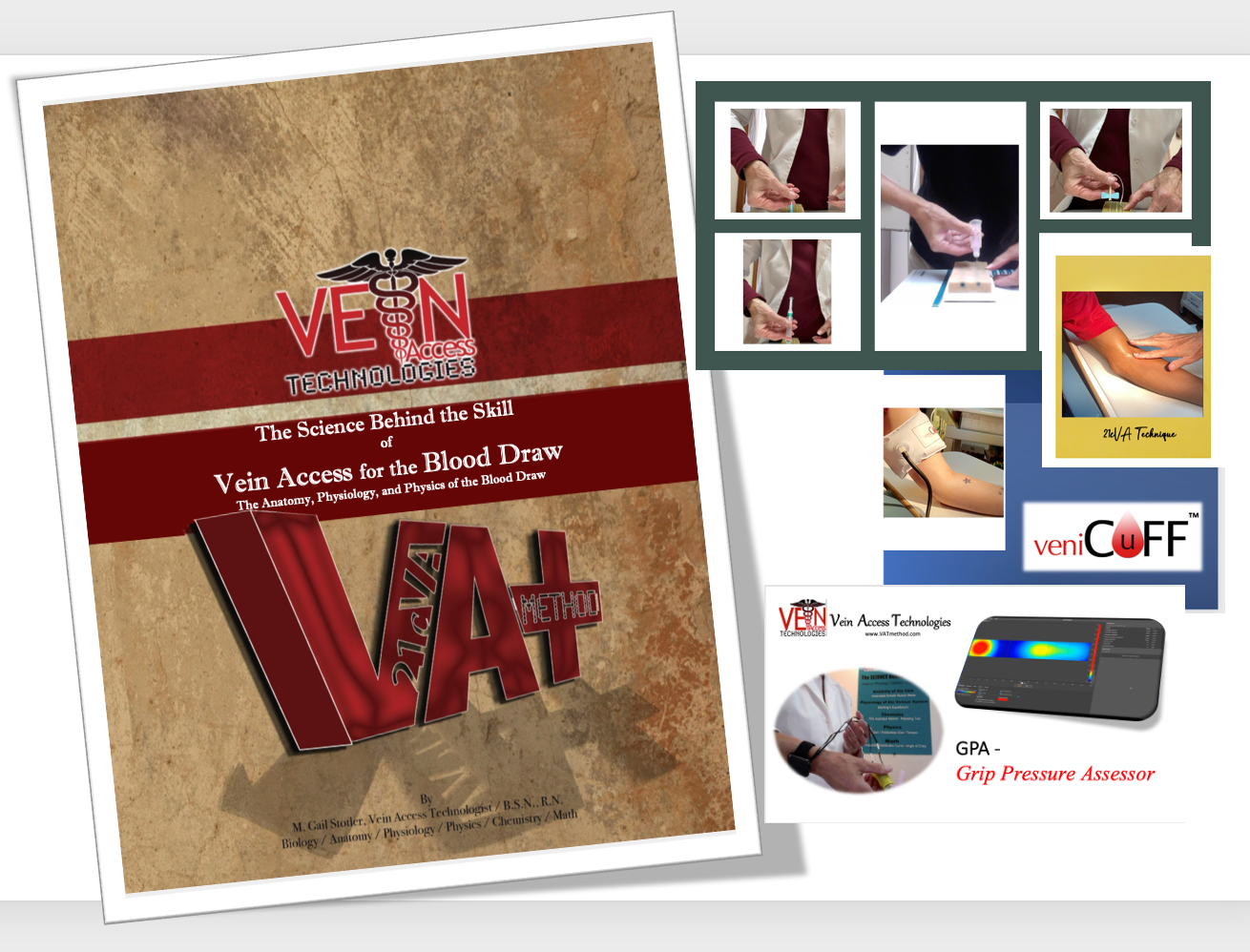
At Vein Access Technologies, students can enhance their education through professional publications, instructional videos, and innovative learning tools such as veniCuff®, Vein Block®, and the Grip Pressure Assessor (GPA).
These resources support continued learning long after the course has been completed.
Who Can Benefit from IV Training?
IV therapy education benefits a wide range of healthcare professionals, including:
- Registered Nurses (RNs)
- Licensed Practical Nurses (LPNs)
- Medical Assistants
- Emergency Medical Technicians (EMTs)
- Paramedics
- Radiology professionals
- Outpatient clinic staff
- Other licensed clinicians performing IV or venipuncture procedures
Adding IV therapy skills can increase professional versatility while improving the quality of patient care.
Frequently Asked Questions
Do I need previous experience before taking an IV training course?
Prerequisites vary by program. Review the course requirements to determine eligibility based on your professional background and licensure.
Is hands-on IV training important?
Yes. Practical instruction allows students to apply techniques, receive instructor feedback, and develop confidence before performing procedures in clinical settings.
What skills will I learn?
Most IV training programs cover vein assessment, venous anatomy, patient safety, infection prevention, IV equipment, and evidence-based clinical techniques.
How long does IV training take?
Course length varies depending on curriculum, learning objectives, and licensing requirements.
Where can I find IV training near St. Louis?
Vein Access Technologies in
East Alton, Illinois, offers hands-on IV education for healthcare professionals throughout the Greater St. Louis and Metro East communities.
Advance Your Clinical Skills with Vein Access Technologies
Whether you're expanding your professional qualifications or preparing for new clinical responsibilities, quality IV education provides skills that benefit both healthcare professionals and their patients.
At Vein Access Technologies, our IV training programs combine experienced instruction, practical learning, and educational resources designed to help clinicians build confidence in Vein Access and venipuncture procedures. Through hands-on education and evidence-based teaching, we prepare students for real-world success.
To learn more about our
Phlebotomy and IV Training programs, continuing education courses, and educational resources, visit
Vein Access Technologies or contact our team today.
Phone: (618) 259-7781
Email: mgailstotler@VATmethod.com